

Modern Wall Series: The Drainage Plane
Walls are shockingly complex and their contribution to the performance and lifespan of a building is huge, so it's important to get it right. Just beneath the surface, one will finds that a simple wall has many functional systems making up the enclosure system. That's why we've dedicated the second article in our Wall Series to focus on the technical concepts of a drainage plane.
When we think about the performance of walls, we generally think about keeping the rain (bulk water) out. Experts refer to this concept as the drainage plane and it must be constructed so that water runs down and out of the wall assembly. As it turns out, this concept is often flawed in practice, and many times the drainage plane turns out to be the cause of costly wall failures.
What Is A Drainage Plane?
The drainage plane is simple in nature. It must connect to the roof; follow down the wall; over the window; and horizontally out and away from the wall. Down and out (in a good way). After all, gravity is a constant force and water always goes down, right? No! Not always – but that's a subject for another article.Problems in the drainage plane most often occur at penetrations or the transitions between materials: wall to roof connection, wall to window, and spanning across different wall types. As consultants who see these failures on a regular basis, we recommend following these simple concepts so that many of the problems will decrease.
Test it! Make sure that materials adhere to one other before you install them. Incompatibilities are common.
Scrutinize the constructability of the transitions. Spend time with construction details early in the process and make sure that design concepts can be put together sequence by sequence by a typical workforce, especially at parapet walls and vertical material transitions.
Understand how manufactured systems that are installed into a wall work. Figure out how these windows, storefront systems, and other systems are designed shed water. Many have internal drainage systems and weeps that can’t be blocked and must be connected to the wall's drainage plane correctly for the unit to function properly.
Watch out for fasteners. Have a plan for penetrations of the drainage plane and make sure that your plan includes unexpected mistakes, like when the installer misses the stud and there's a little hole though the wall!
Exposure time is critical. Do not allow the materials to be exposed longer than the manufacturer recommends – that's an expensive mistake.
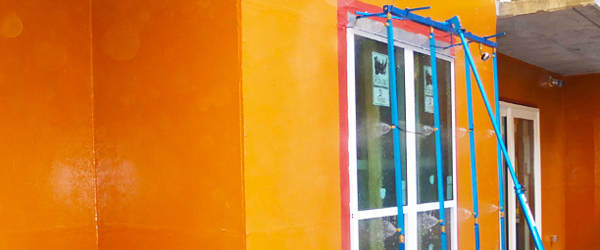
Test the Drainage Plane!
Just like any system critical to the success of a product, its important to test as you go to verify that the drainage plane works as intended. This testing can be specific and complex such as utilizing ASTM and AMAA testing methods or as simple as the good ol' garden hose spray test. Leaks through the drainage plane are best found through non-destructive testing methods when you can repair them without compromising the wall or removing cladding.The drainage plane is one of the systems our field services team regularly inspects during our observational site visits. Their visits also include documenting the performance and progress of below grade waterproofing, vapor barriers for slab systems, air and moisture membranes, wall penetrations, and windows and door systems. Following each site visit we document new issues, resolved issues, concerns, observations and other findings in a field report. Reports are provided immediately after each visit, keeping your team ahead of the project schedule.

